e87
🌐
❄ ❄ ❄

Snow & the Sacred

雪と神社仏閣 — Sapporo in white

Sapporo is one of the snowiest large cities on earth. For nearly half the year, its shrine halls and approach paths lie sunken in snow — a feature on the quiet of the sacred, wrapped in white.

Hokkaido Jingū — the grand guardian shrine of Sapporo, under snow
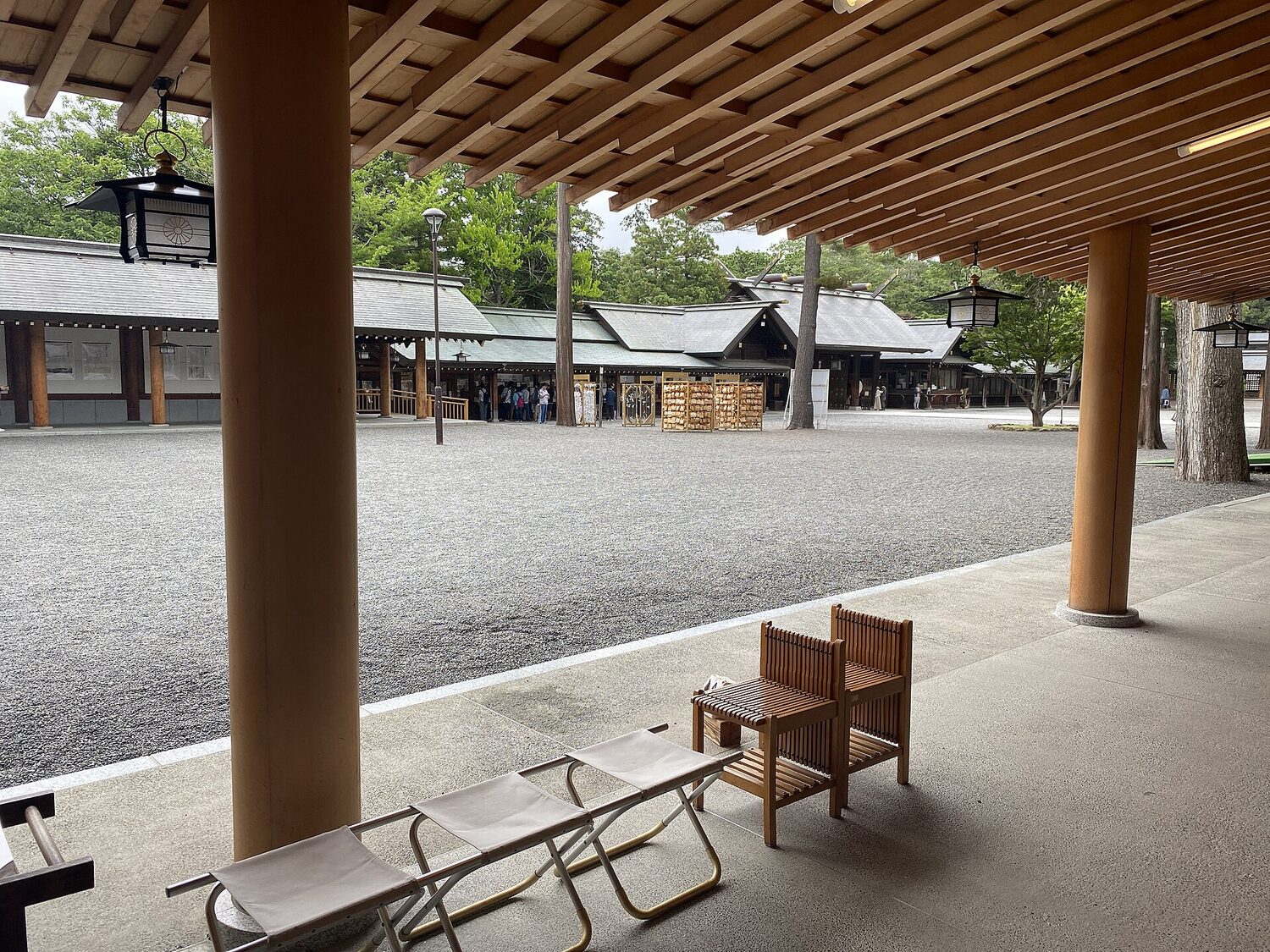
Hokkaido Jingū — Sapporo's grand shrine, standing at Maruyama
Snow city · 雪の街

Half the year, lived with snow.

Sapporo's winter is long and deep. In heavier years a single season piles up some six metres of snow in all, and few cities on earth carry so much while home to nearly two million people. From the end of November to the following March, both the city and its temples and shrines sink into white.

Snow does not keep worshippers away. If anything, a hall reached by treading through the snow holds a stillness quite unlike summer's. The clear ring of a bell carries through the frozen air, and snow-light softly touches the lanterns — a winter visit is a reward found only in the northern city.

札幌の冬は長く深い。多い年には一冬で累計6メートルもの雪が積もる。

~6mseasonal snowfall
5 mothe snowy season
1972Winter Olympics
Hatsumōde · 初詣

Through the snow, into the New Year.

In the north, the year's first shrine visit is met amid white breath and snow-light. From New Year's Eve into New Year's Day, people walk the snowy roads toward the temples and shrines to pray for a safe year ahead. Hokkaido Jingū and shrines across the city fill with worshippers, while bonfires and warm amazake (sweet rice drink) loosen the chill from the body.

Underfoot the packed snow is hard, frozen and slippery. Non-slip winter boots, warm gloves, and time to spare — that is the wisdom of a northern hatsumōde.

北国の初詣は、雪と白い息のなかで迎える。篝火とあたたかい甘酒が、冷えた体をほどく。

Hokkaido Jingū under snow
Hokkaido Jingū — where the New Year's visit begins
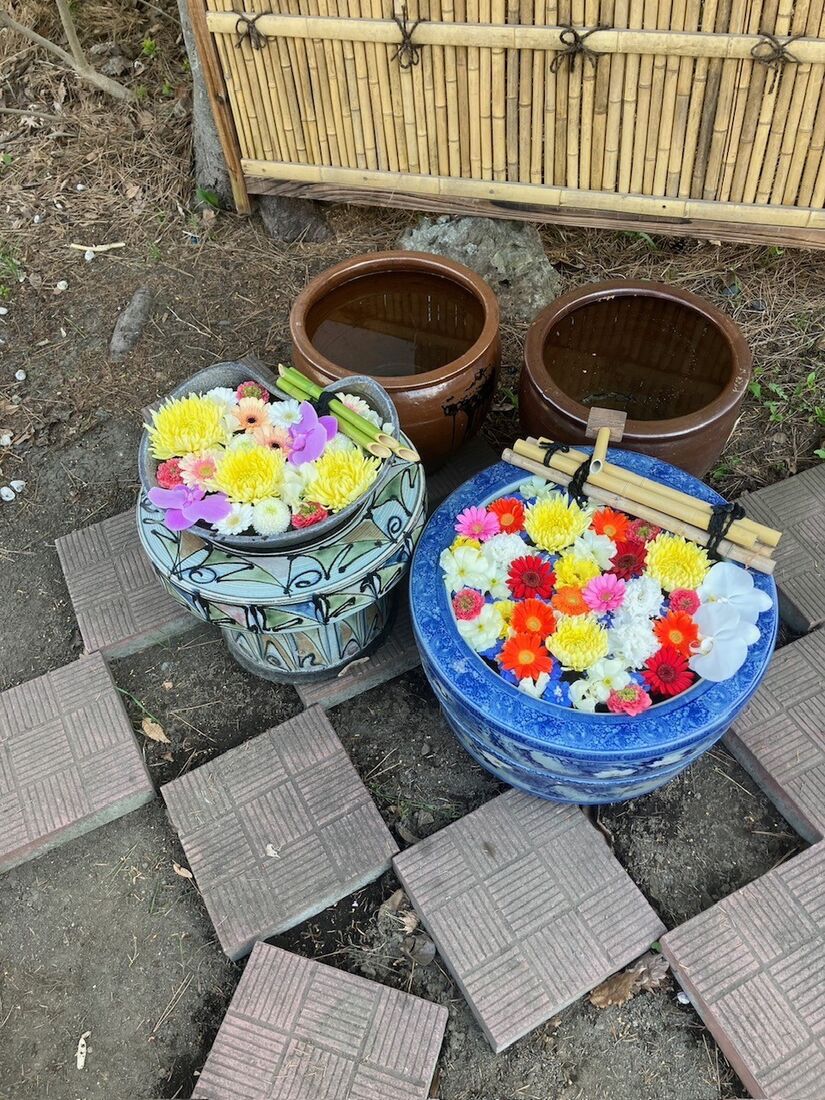
Winter hanachōzu
Winter hanachōzu — a display for the snowy season

Hokkaido Jingū: Immanuelle, CC BY 4.0 (Wikimedia Commons)

In winter · 冬のみどころ

Four faces of the white season.

Snow-clad · 雪化粧

Snow-Clad Halls

Halls and mountain gates with snow on their roofs take on the stillness of an ink painting. Vermilion torii and lanterns stand out against the white, showing a face utterly unlike summer's. Branches in the grounds bowing under the weight of snow are a scene only winter brings.

Frozen flowers · 氷の花

Iced Hanachōzu

In the deep cold of Sapporo, the flowers in the water basin can freeze right where they float. Camellias and nandina sealed in ice are forms only winter can shape; their crimson, glowing through the snow-light, is a gift of this season alone. → Hanachōzu

Lantern light · 雪あかり

Snow-Light & Lanterns

When a stone lantern crowned with snow is lit, the grounds are wrapped in soft shadow. Across the city, events that dress the winter nights in light are held here and there, resonating with the quiet of the temples and shrines.

Care · 参拝の心得

Tips for a Winter Visit

Wear non-slip winter boots and gloves, and dress warmly. Even a cleared approach path can ice over. Dusk comes early, so a daytime visit is best, and the amulet office may keep shorter reception hours through winter.

Note: mind icy, snow-covered approach paths and shorter winter reception hours at the amulet office. Festival dates, and whether events are held at all, vary by year — please check the latest information with each temple or shrine before you set out.
Related