✿ ✿ ✿
Hanachōzu
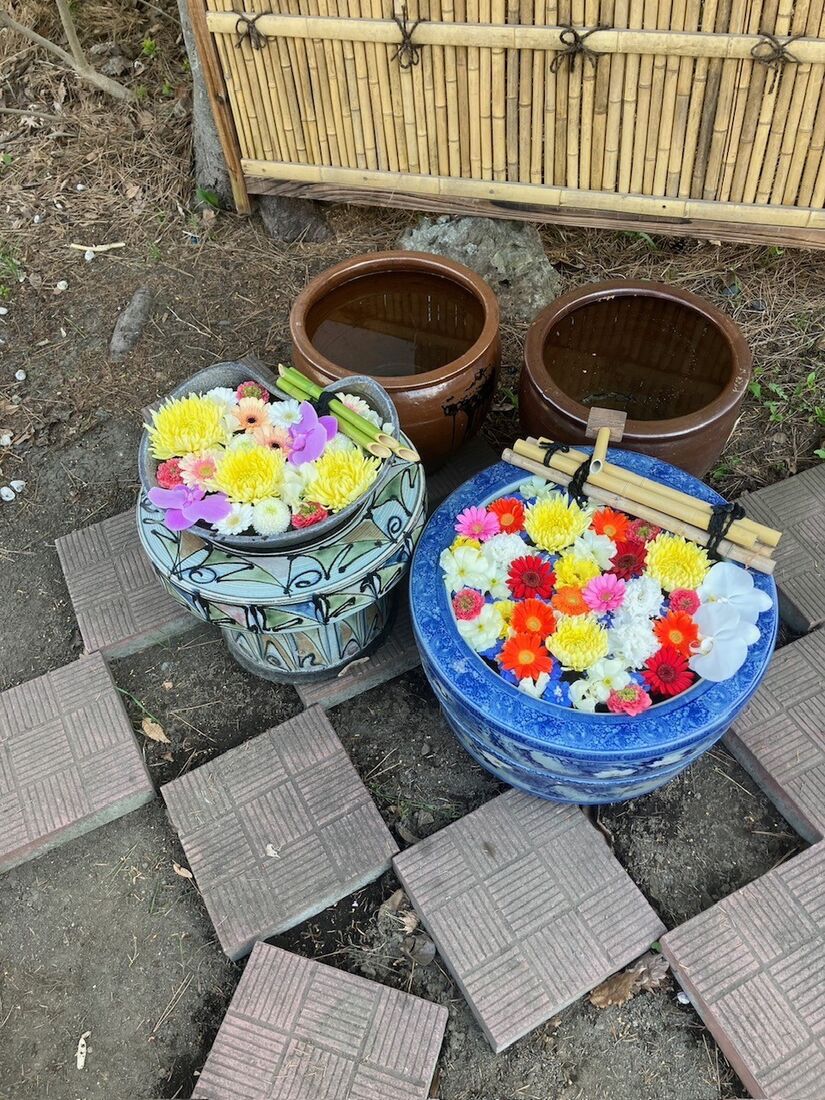
花手水 — flowers on sacred water
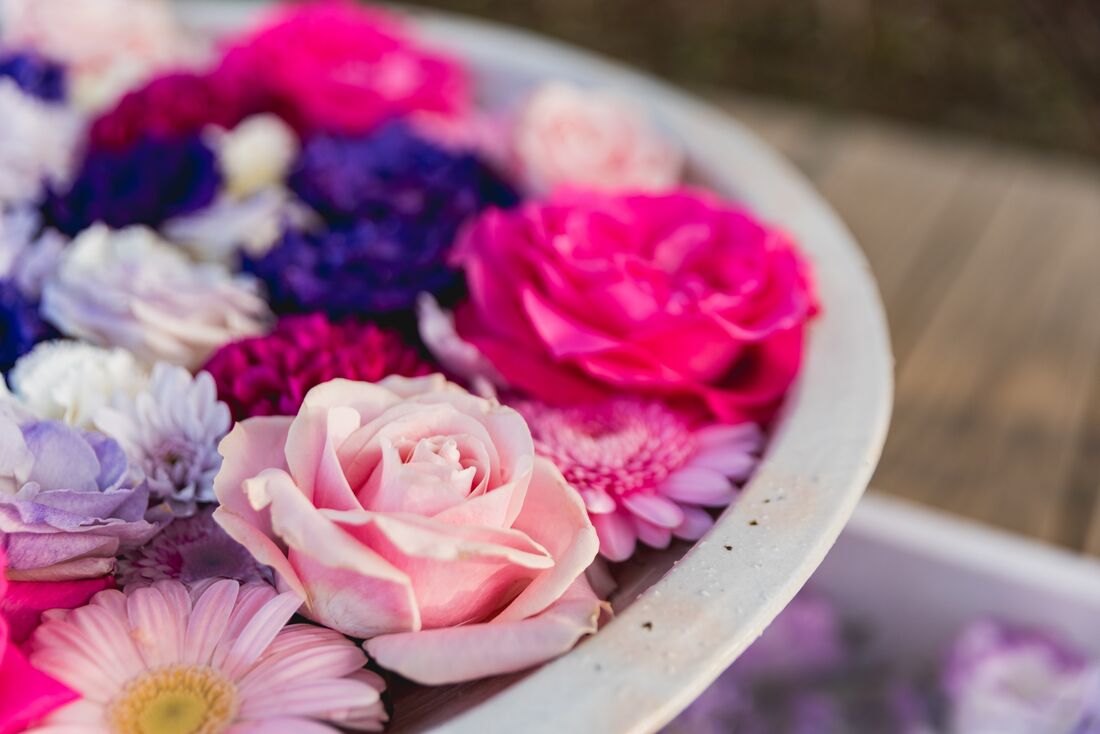
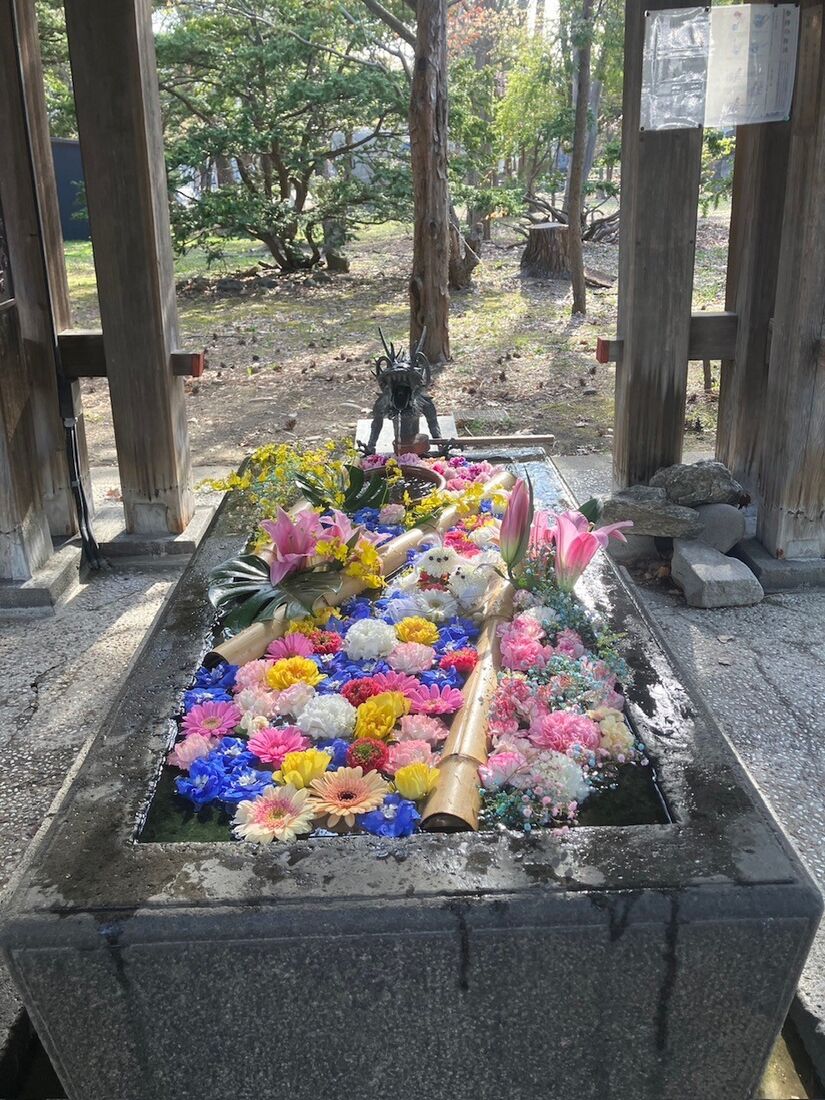
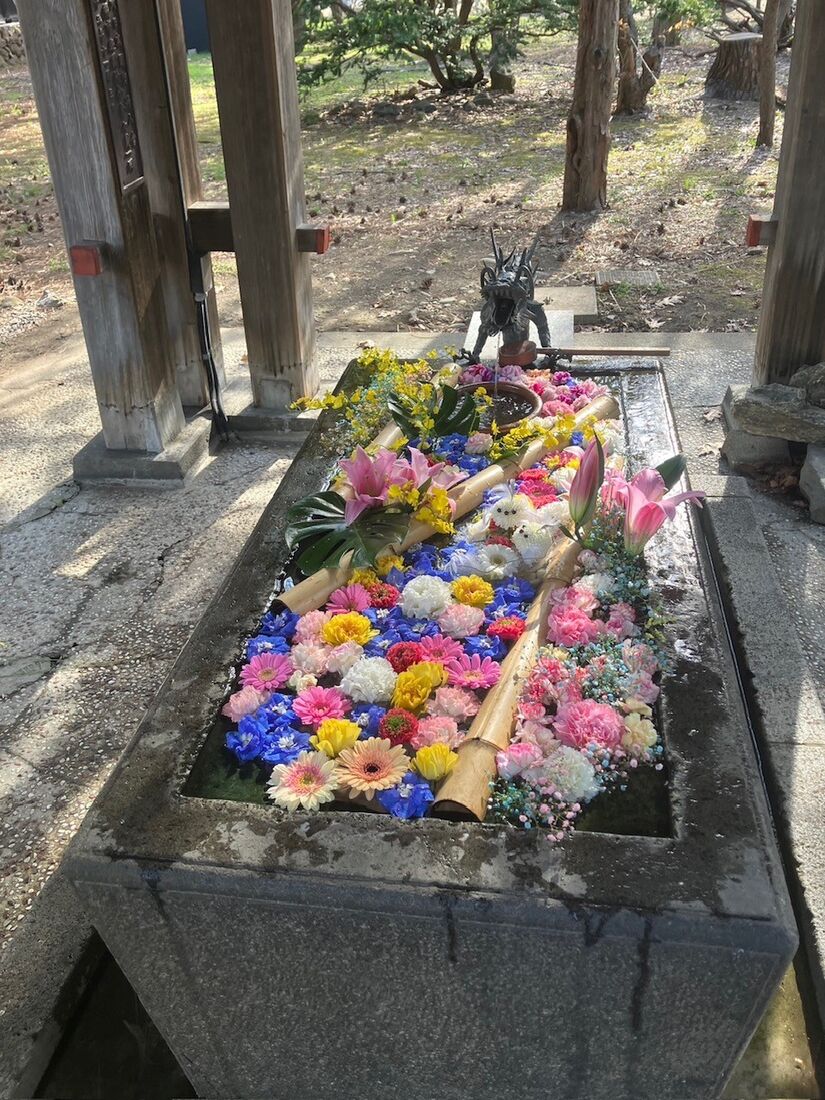
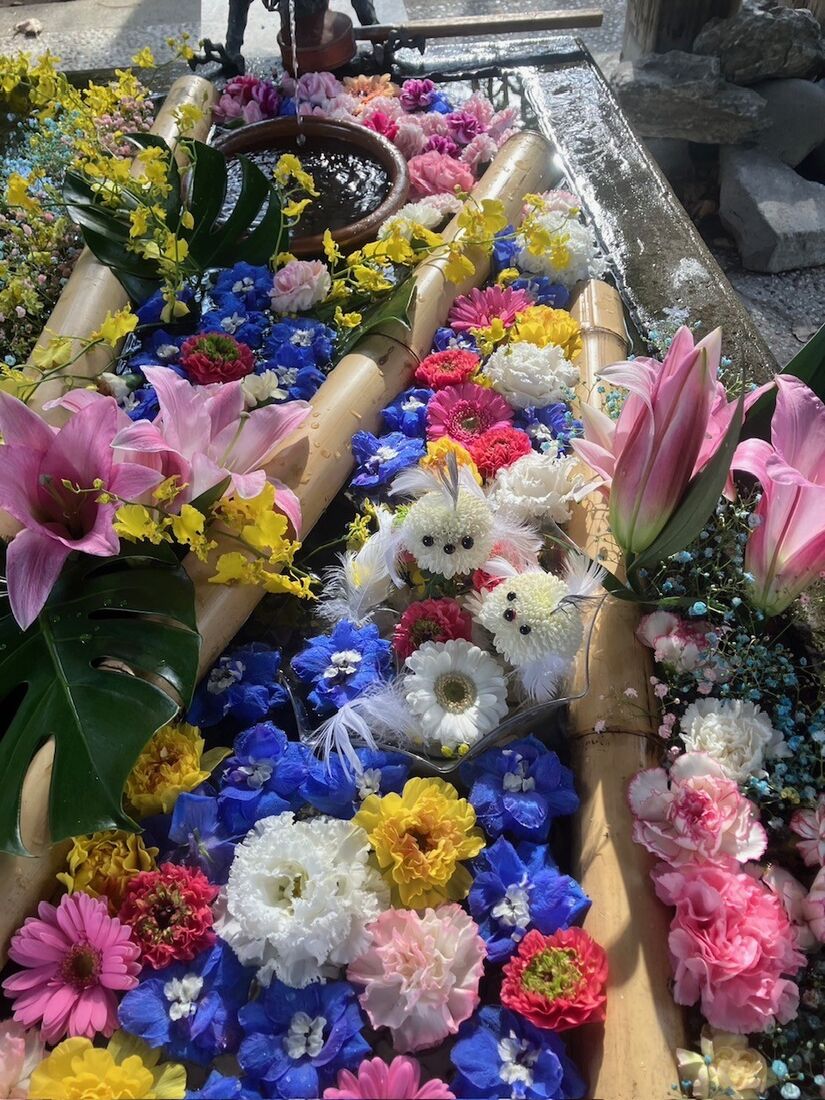
Seasonal flowers set afloat on the purification basin (chōzuya) of a Japanese shrine or temple — a quiet place where flowers meet the sacred, here in Sapporo, Hokkaido.
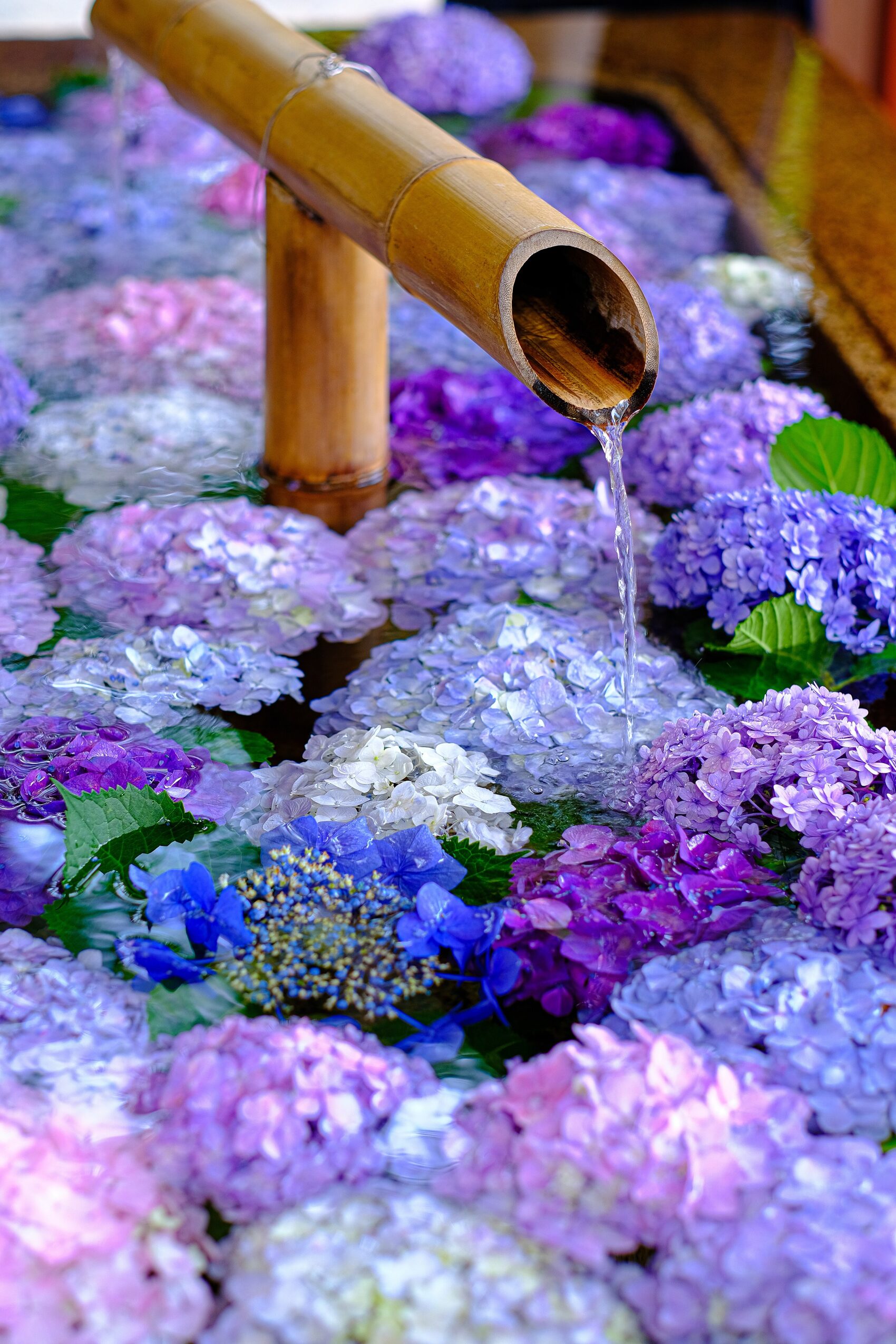
Seasonal flowers set afloat on the purification basin (chōzuya) of a Japanese shrine or temple — a quiet place where flowers meet the sacred, here in Sapporo, Hokkaido.
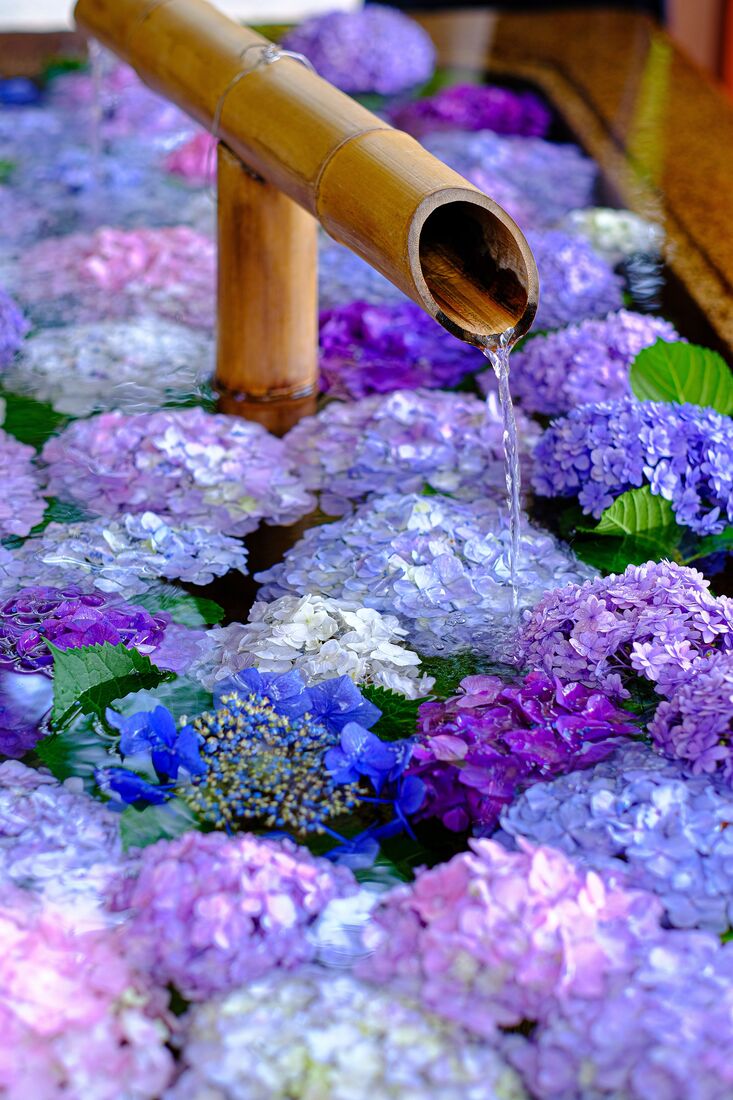
At the entrance of a Japanese shrine or temple stands a chōzuya — a small pavilion holding water to cleanse your hands and mouth before you pray. When that basin is filled with colourful seasonal blossoms, it becomes hanachōzu (花手水), literally "flower purification water." The name borrows from an old rite of purifying oneself with the dew of grasses and flowers; in recent years it has spread across Japan as a seasonal display that softens the heart of every visitor.
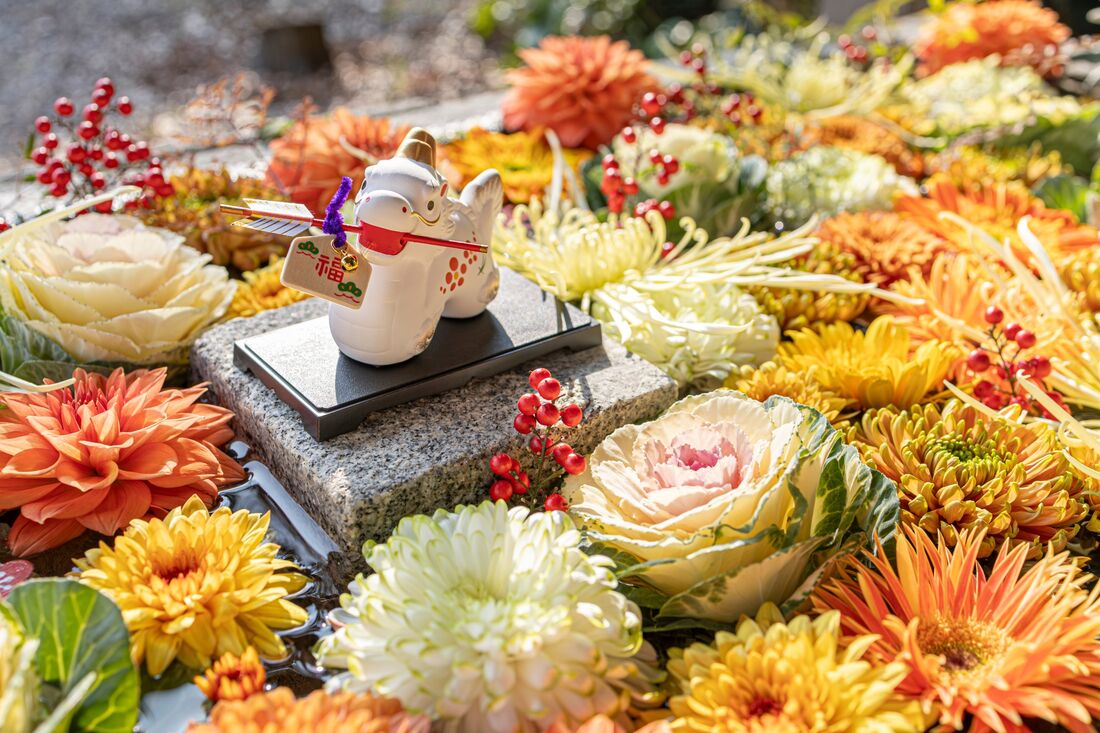
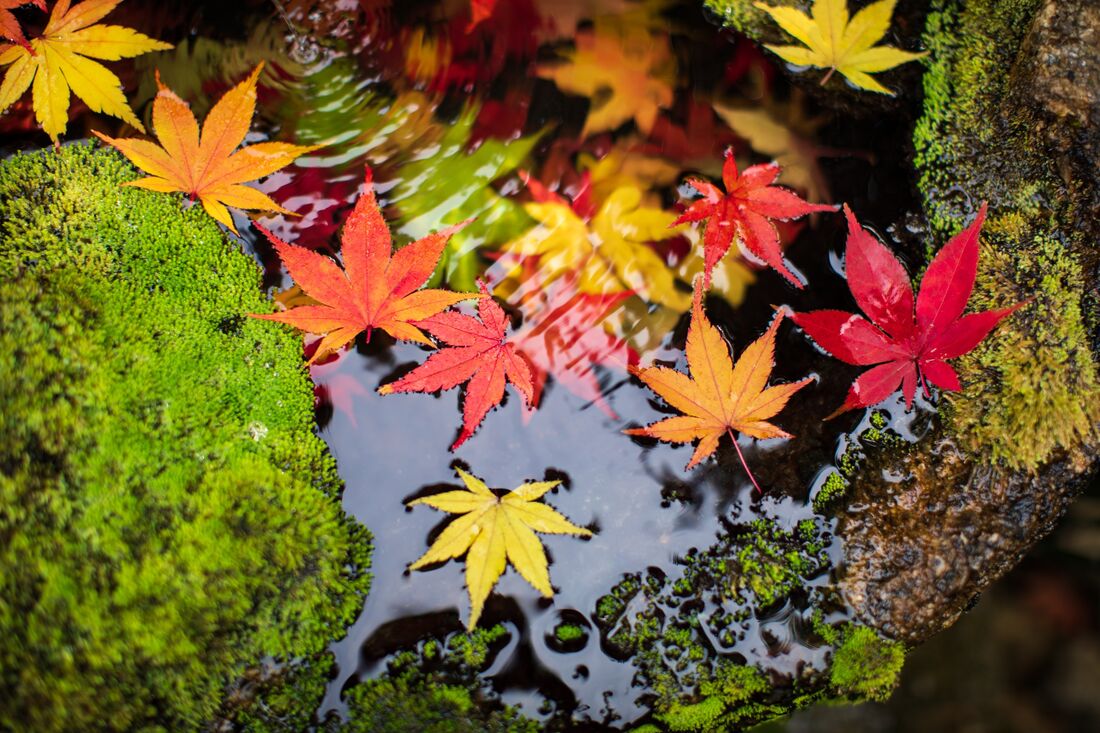
It grew especially popular when shared ladles became harder to use, and shrines and temples nationwide began filling their basins with flowers instead. Carried by social media, the practice was quickly loved far and wide. Hydrangeas, camellias, chrysanthemums, autumn maples, and blossoms opening beneath the snow — the year's passage is reflected, just as it is, on the surface of the water.
花手水(はなちょうず)とは、手水舎の水盤に季節の花を浮かべるしつらえ。小さな作法のひとときを、静かな美しさに変えてくれます。
Hanachōzu is made to be enjoyed by the eye — but the basin is, at heart, a place of purification. Admire the flowers without touching them.
A collection of seasonal hanachōzu arrangements. Tap an image to enlarge.
Photos: e87
In a northern city, the turning of the year is told most quietly on the water.
Sapporo holds more than 160 temples and about 80 shrines. Hanachōzu displays vary by place, season and event — start from a few landmark shrines, then explore the seasonal news of the city.
The region's grand shrine, at the foot of Mount Maruyama. It enshrines the three pioneer deities and Emperor Meiji, is famed for spring plum and cherry blossoms, and comes alive in June with the Sapporo Festival. Look for seasonal flowers in its grounds as you visit through the year.
Chūō, Kita, Higashi… search the temples and shrines of Sapporo's ten wards by sect, type or keyword. Begin your hanachōzu wandering near you, or wherever your visit takes you.
Temples and shrines are plotted on a map of Sapporo, filterable by month of annual events. Timing a visit to a festival or fair raises your chances of meeting hanachōzu and special displays.
Think of hanachōzu as a seasonal welcome from the temple or shrine. Don't touch the flowers or foul the water, and yield to other worshippers. Pray first, then take your time to admire.