朱印
Goshuinchō
御朱印帳 — a book of your pilgrimage
Ink calligraphy and a vermilion seal, received as a token of your visit — bound together in a single book. Page by page, the memory of each journey quietly deepens.
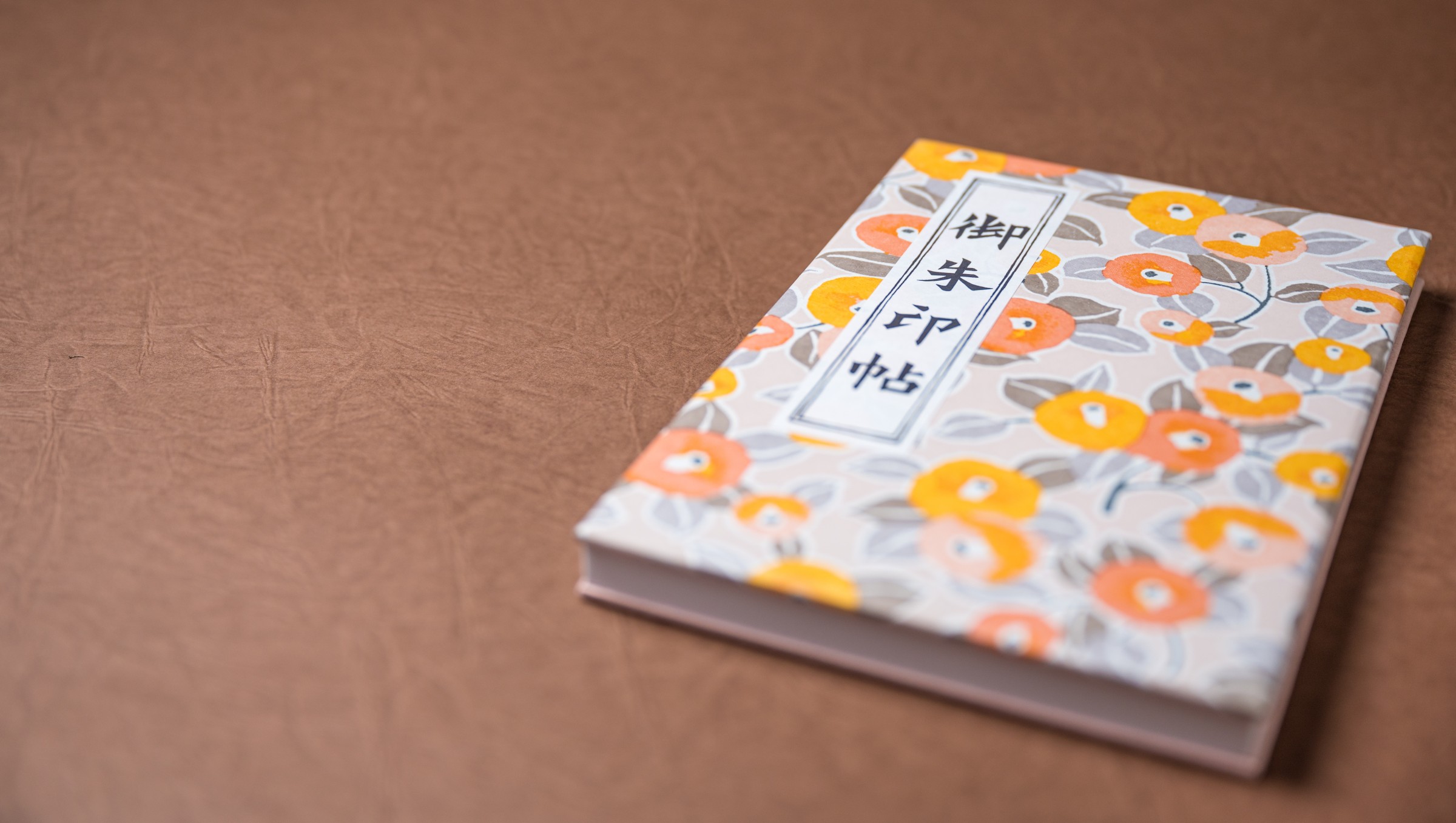
Ink calligraphy and a vermilion seal, received as a token of your visit — bound together in a single book. Page by page, the memory of each journey quietly deepens.
Goshuin are the seals and brush-written inscriptions given as proof of a visit to a shrine or temple. The name of the place, its enshrined deity or principal image, and the date of your visit are set down in flowing ink and stamped in vermilion. Said to have begun as a receipt for copied sutras offered to a temple, today they are widely cherished as a keepsake of one's worship.
The book that gathers them is the goshuinchō — a volume of Japanese washi paper folded in accordion pleats, received at a shrine or temple's offering counter or administrative office. Some keep separate books for shrines and temples; others gather everything in one. More than any strict rule, it begins simply with holding "a book of your own."
御朱印(ごしゅいん)とは、神社やお寺に参拝した証としていただく印章と墨書。それを綴じた一冊が御朱印帳(ごしゅいんちょう)です。
A goshuin is proof of a visit — so rather than asking for the seal first, pray with a sincere heart, then receive it afterward.
Each goshuin layers the name of the place, the name of the deity or buddha, the date, and several vermilion seals.
Real goshuinchō and the two-page spreads of the seals within — the brushwork and seals differ at every place (examples from across Japan).
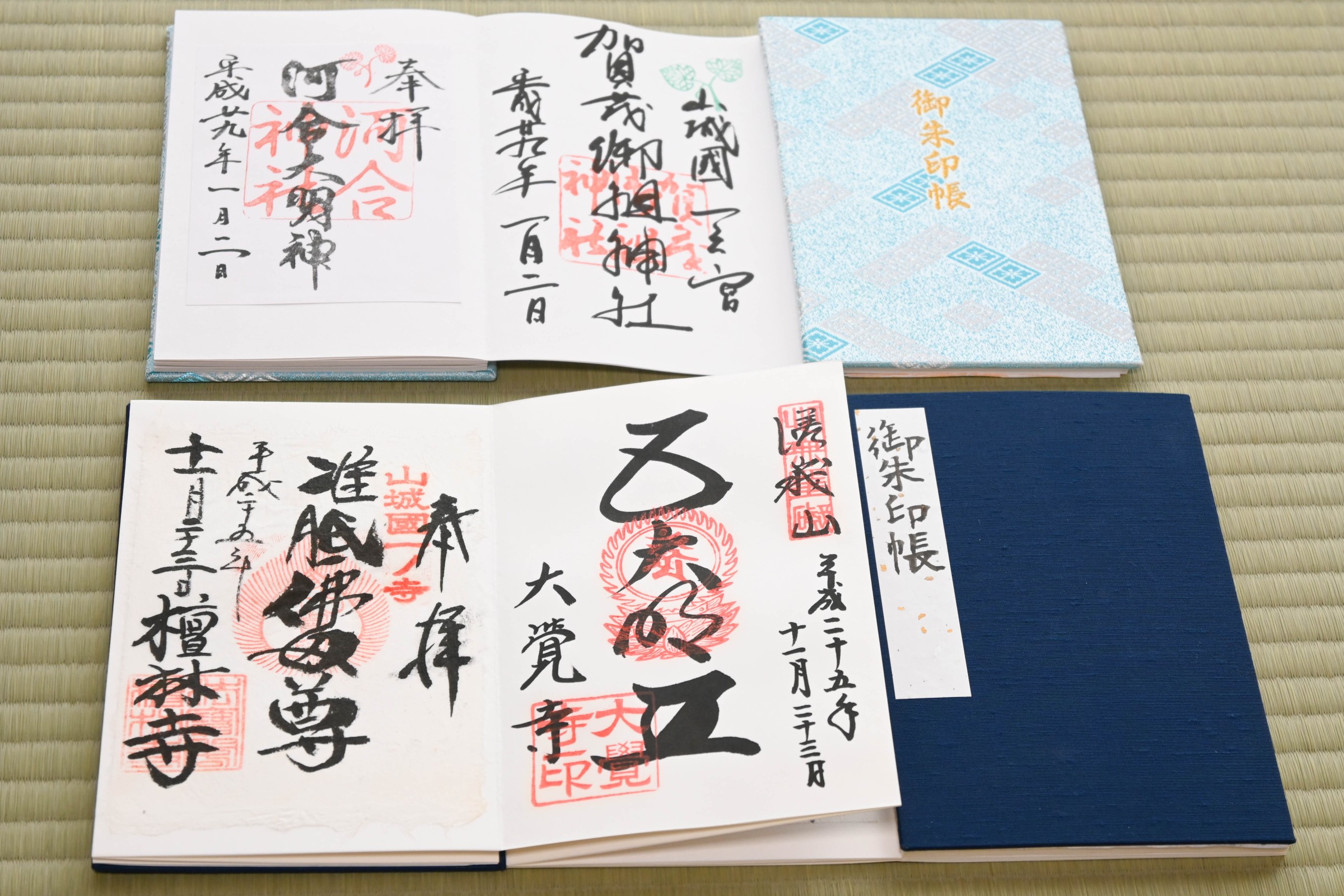
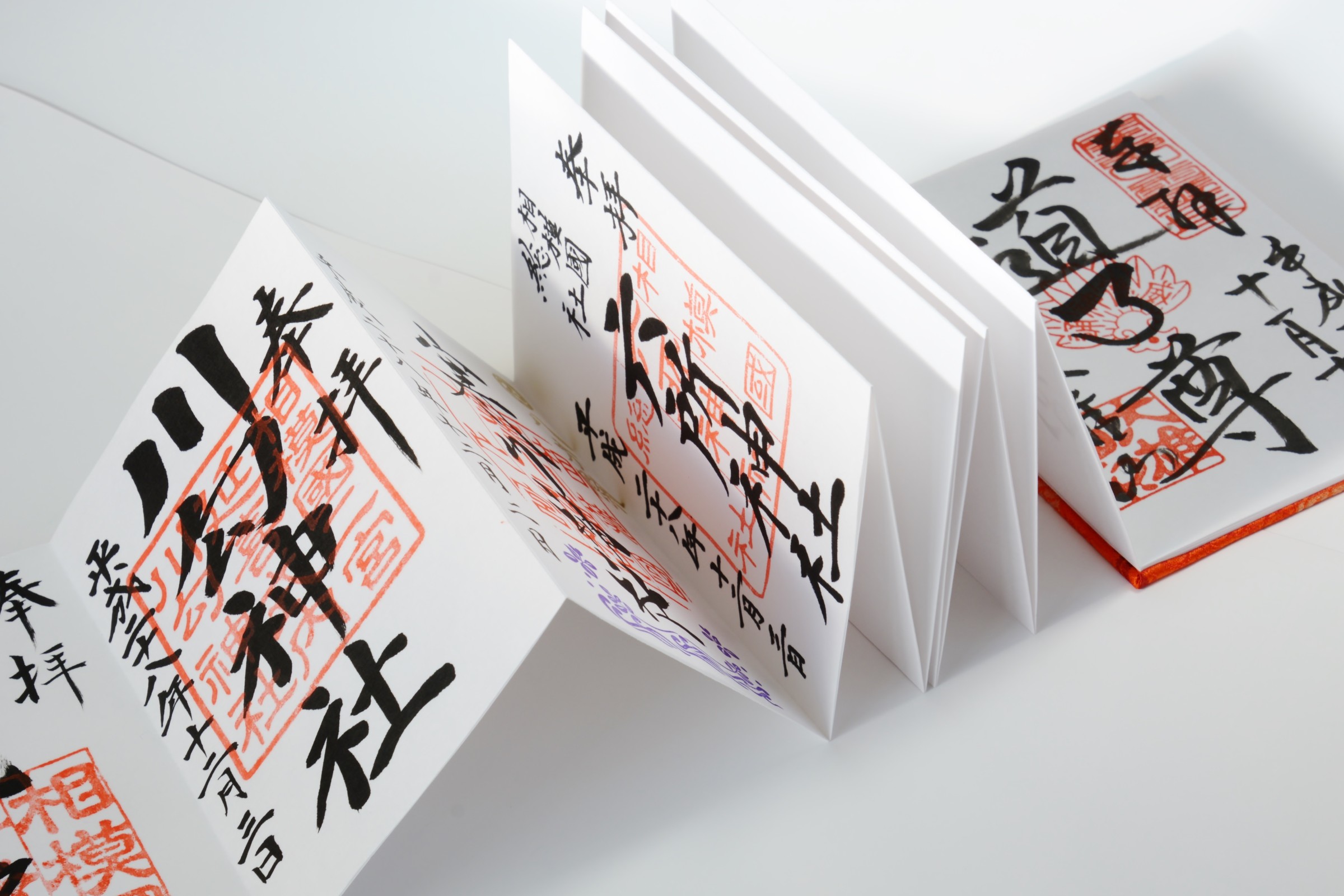
The goshuin shown are illustrative examples from temples and shrines across Japan (not specific sites in Sapporo).
Sapporo holds more than 160 temples and about 80 shrines. What is offered as goshuin, and when, differs at every place — begin binding your own book from these landmark shrines.
The region's grand shrine, enshrined at the foot of Mount Maruyama — a fitting starting point for a goshuin pilgrimage. Plum and cherry in spring, the Sapporo Festival at its June rites, worship through all four seasons — and the quiet pleasure of visiting the smaller sub-shrines within its grounds.
Both the hanachōzu display and the goshuin are a "welcome from the season." Admire the flower-strewn water basin first, then receive your goshuin, and the memory of the day grows all the deeper.
Sōtō, Jōdo, Shingon… search the temples and shrines of Sapporo by sect, ward or keyword. Build a goshuin route to match your plans for the day.
Check annual rites and en-nichi fair days on the events map. On special days you may meet a limited-edition goshuin or a particular display. Pick your day to visit from the month's events.