e87
🌐
巡

Model Course

モデルコース — goshuin & hanachōzu, a quiet day on foot

Goshuin and hanachōzu are both a kind of "seasonal hospitality." Pray at the shrine or temple, admire the flowers on the water basin, and receive the ink and vermilion — model itineraries for weaving that day, unhurried, across the city of Sapporo.

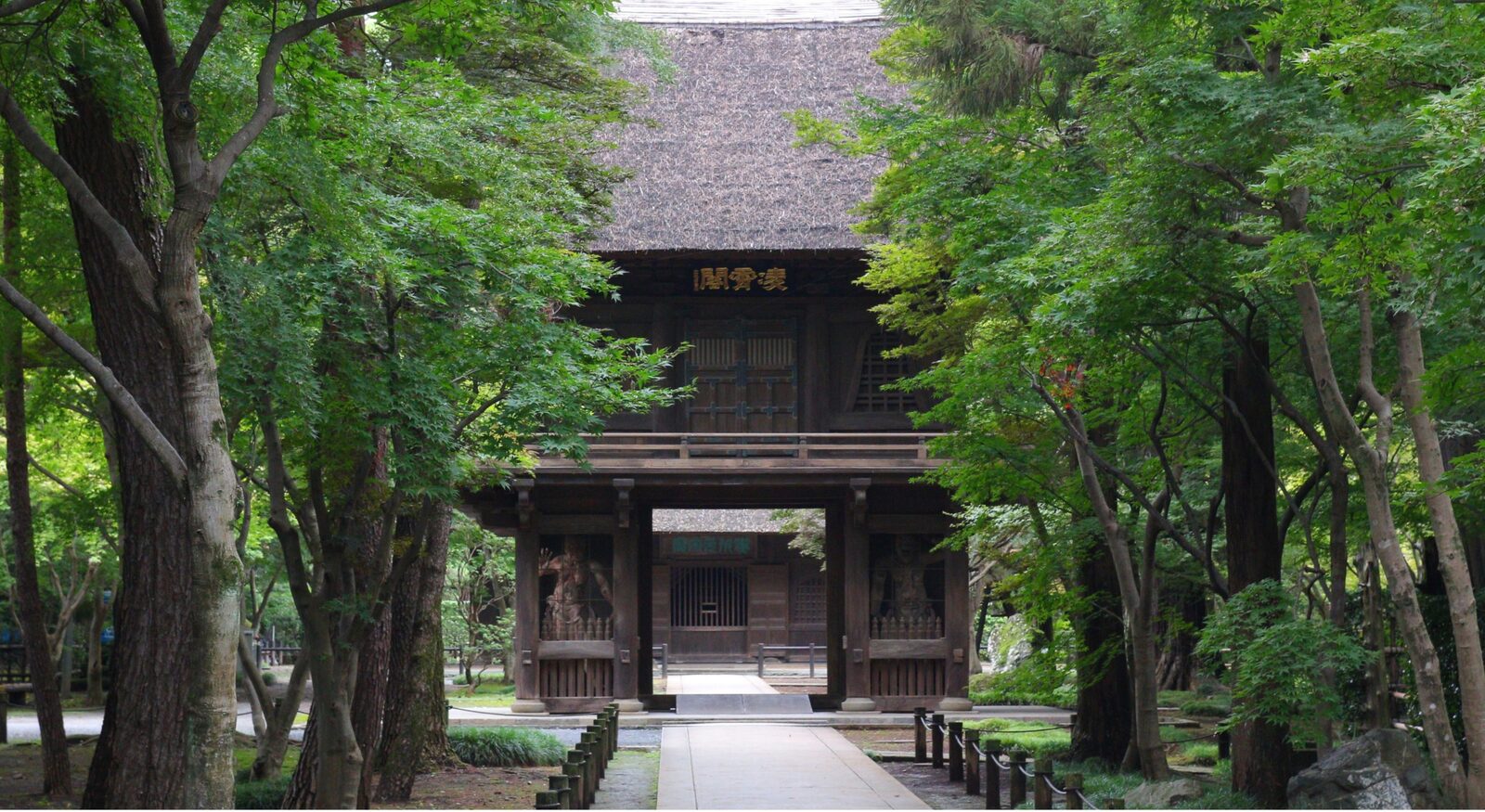
A temple gate in Sapporo — the start of a day touring goshuin and hanachōzu
Hanachōzu and goshuin, drawn in a single brushstroke — a day of flowers, ink and quiet streets
About · このコースとは

A day drawn in a single brushstroke.

Sapporo is an easy city to explore on foot and by subway. To enjoy both goshuin and hanachōzu on a single outing, the right measure is to keep it to two to four places rather than trying to see everything. Hanachōzu are a seasonal display, and goshuin are received at the offering desk — each an encounter of "that day, that moment."

Here we introduce model courses by area (Maruyama and Chūō), by length (half-day or full-day), and by season. Please check the temples, shrines and highlights shown here together with the directory and the events map.

札幌は歩いても乗ってもめぐりやすい街。欲張らず2〜4社に絞り、花と墨との出会いを楽しんで。エリア別・時間別・季節別のコースをご案内します。

How to walk · 巡り方の基本

Pray first.

Before you photograph the hanachōzu, and before you receive your goshuin, pray from the heart.
Pray first — then the flowers, then the seal.

  1. Set out in the morning. Offering desks and hanachōzu are at their freshest from morning through midday.
  2. Bow at the torii or temple gate, purify yourself at the chōzuya (water pavilion), and pray before the deity or the principal image.
  3. Admire the hanachōzu quietly. When taking photos, be considerate of other worshippers.
  4. After praying, receive your goshuin at the offering desk. The offering is usually 300–500 yen, so bring small change.
  5. Move on to the next site gently, by subway or on foot. Rest in the neighbourhood at midday, and keep the afternoon to just one or two more places.
🌿 What to bring: your goshuinchō, small change, comfortable shoes and a seasonal jacket. In summer, mind the sun and stay hydrated; in winter, come equipped for snowy paths. Hanachōzu change with the season and the weather, while goshuin hours and paper-goshuin availability differ from place to place.
Routes · めぐる

Four ways to walk.

Four model routes to choose by area and by length. Distances and times are approximate.

Half day · 半日

Maruyama & Miyanomori, Half Day

Begin at Hokkaidō Jingū, the region's grand guardian shrine, and take your time through the woods of Maruyama. Plum and cherry in spring, fresh green in early summer, crimson maples in autumn — the grounds themselves are the season's highlight.

Guide Tōzai subway line "Maruyama-kōen" → Hokkaidō Jingū → Maruyama Park & around / half day (3–4 hours)

Start at Hokkaidō Jingū in Maruyama — the season is in the grounds themselves.

In town · 中央区

Central Ward, Around Town

A route linking the temples and shrines of the city centre by subway and streetcar. It is a way of praying woven into everyday life, dropped in between shopping and a coffee. Meet a hanachōzu, and count that day lucky.

Guide The Ōdōri and Nakajima-kōen area by subway / streetcar / half to full day (as many places as you like)

Thread the central wards by subway and streetcar, between coffee and errands.

Full day · 一日

A Full, Unhurried Day

Pray and receive goshuin in Maruyama in the morning, then rest in the neighbourhood at midday. In the afternoon, head to another area and reach two to four places by dusk. Keep it unhurried — a day with room to breathe.

Guide Morning = Maruyama → midday rest → afternoon = 1–2 places in another area / full day (6–7 hours)

Maruyama in the morning, another ward in the afternoon — two to four places, unhurried.

By season · 季節で

Choose by Season

Cherry blossoms and hanachōzu in spring, lotus and cool shade in summer, maples in autumn, and the stillness of snow and shrines in winter. The same route wears another face as the season turns. For the year's news, see Four Seasons of Hokkaido.

Guide Spring = cherry × hanachōzu / Summer = lotus / Autumn = maples / Winter = snowbound temples and shrines

The same route wears four faces — cherry, lotus, maple, and snow.

Note: the temples, shrines and areas shown are only one example of a course. Goshuin hours, offering fees and paper-goshuin availability, as well as hanachōzu displays, vary by site and season, and there are days when they are not offered at all. Before you set out, please check the latest information for each site, along with the directory and the events map.
Related